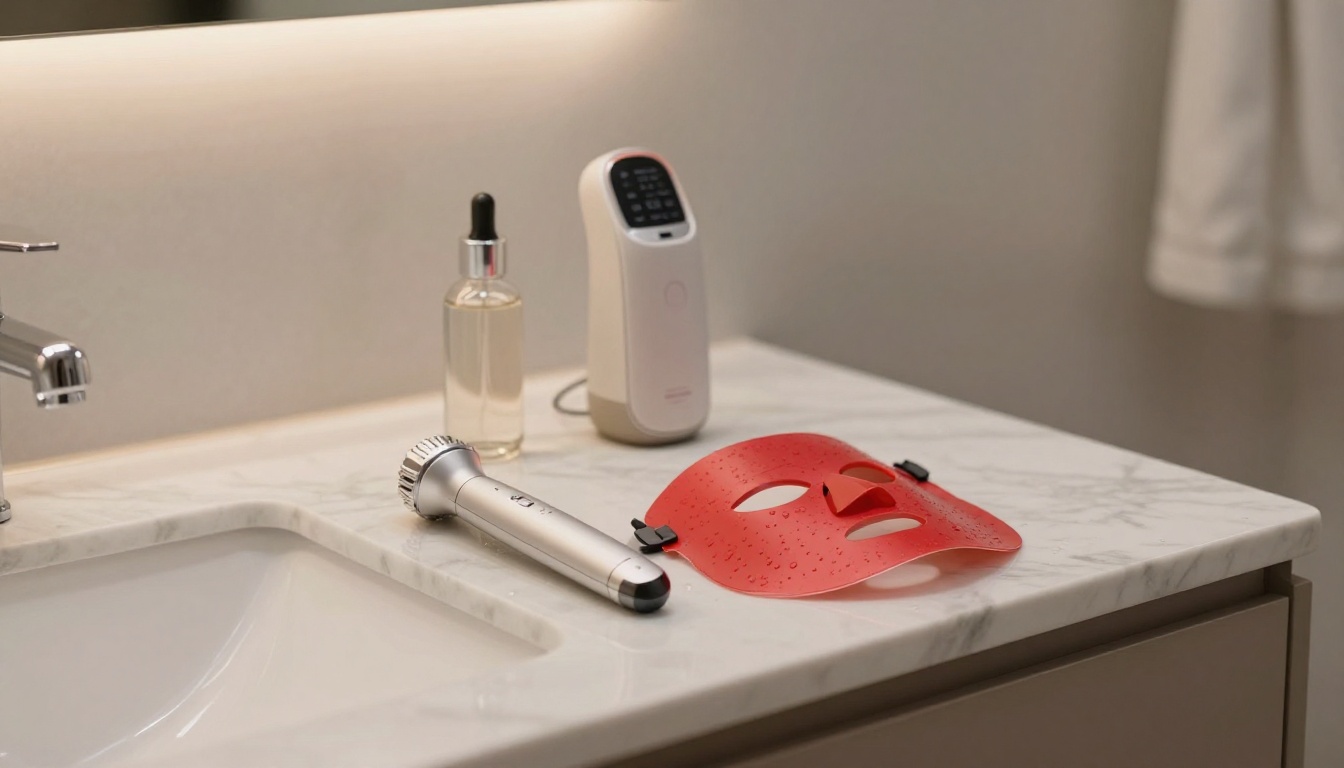
The wrong device can leave mature skin dry, red, or underwhelmed. The right one can support firmness, smoother texture, and better product absorption without turning your bathroom into a lab.
In 2026, the strongest at-home picks still fall into three camps: microcurrent, red LED, and radiofrequency-based tools. The smart move is simple, choose one that fits your main concern and a routine you’ll keep.
Mature skin often needs more than a quick glow. Collagen drops with age, skin gets thinner, and the barrier can feel less forgiving. Because of that, the best skin care tools for mature skin tend to be gentle, repeatable, and easy to use on the face, neck, and chest.
A good tool should help one clear goal. Some lift. Some calm and brighten. Others focus on deeper firming. Still, none work like a one-night miracle. Results build with steady use, and they vary by skin type, sensitivity, and how consistent you are.
This quick comparison helps narrow the field:
| Tool type | Best for | Main benefit | Main drawback |
|---|---|---|---|
| Microcurrent | Jawline, cheeks, brows | Temporary lift and muscle toning | Needs conductive gel and regular use |
| Red LED mask | Fine lines, dull tone, mild redness | Collagen support with low irritation | Slower visible payoff |
| RF or combo device | Lower-face laxity, neck | Firmer feel and stronger tightening effect | Higher cost, more heat |
The same pattern shows up in Ulta’s skin care device guide and in broader expert beauty device recommendations. Mature skin usually does best when the tool is easy to stick with, not when it promises the most.
Microcurrent is still one of the best choices if your main goal is a more lifted look. It sends a gentle current through the skin and facial muscles, so the effect can feel like a short workout for the face. Many people notice a faster change in cheek lift and jawline definition than they do with other devices.
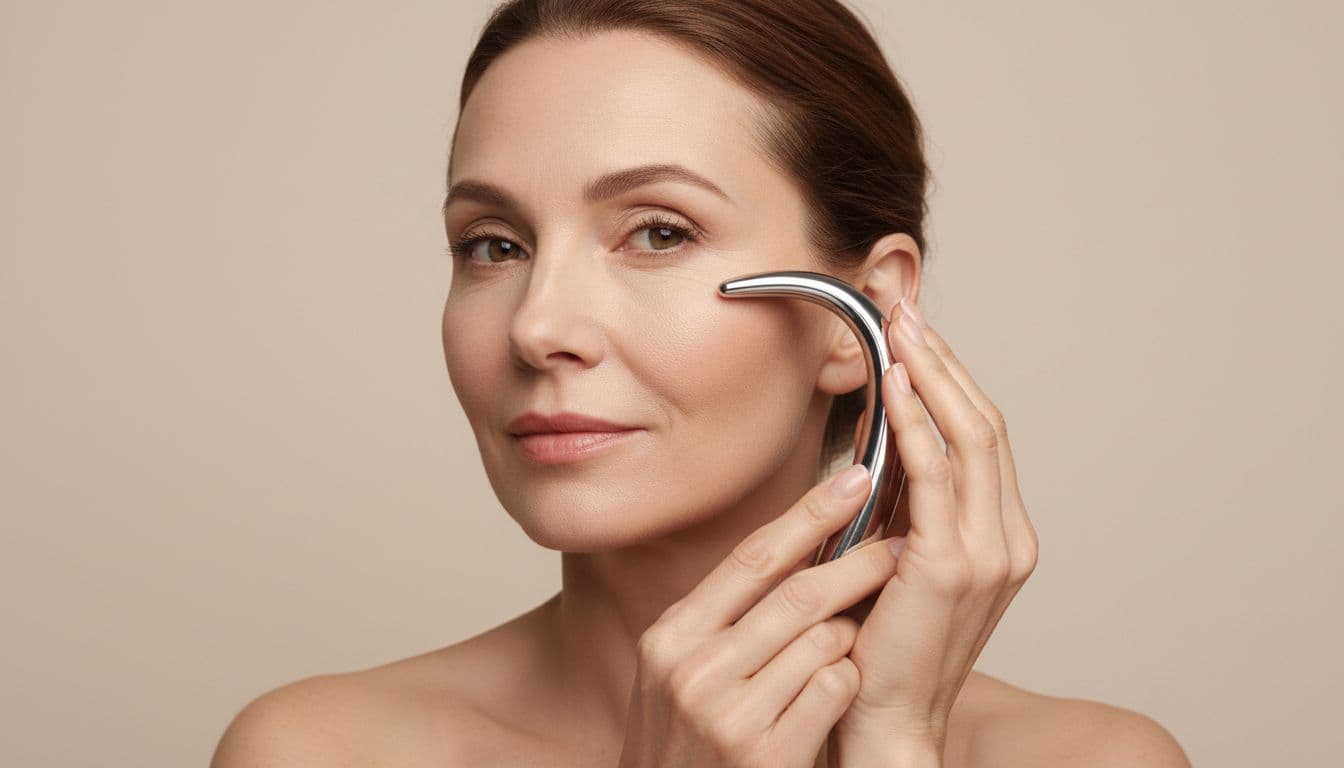
In early 2026, standouts include the ZIIP Halo 2.0, NuFace Trinity, Foreo Bear, and the budget-friendlier Solawave wand. Based on CNET’s 2026 microcurrent testing, the better devices balance comfort, grip, and treatment consistency.
The upside is clear, sessions are short and the skin often looks more awake right after. The downside is just as clear, skip the gel or skip the routine, and results fade fast. If you have an implanted electronic device, a seizure disorder, or very reactive skin, get medical guidance before using electrical tools.
Red LED masks make sense for mature skin that wants a gentler path. They don’t pull, scrub, or heat the skin much. Instead, red and near-infrared light support collagen and can help soften the look of fine lines over time.
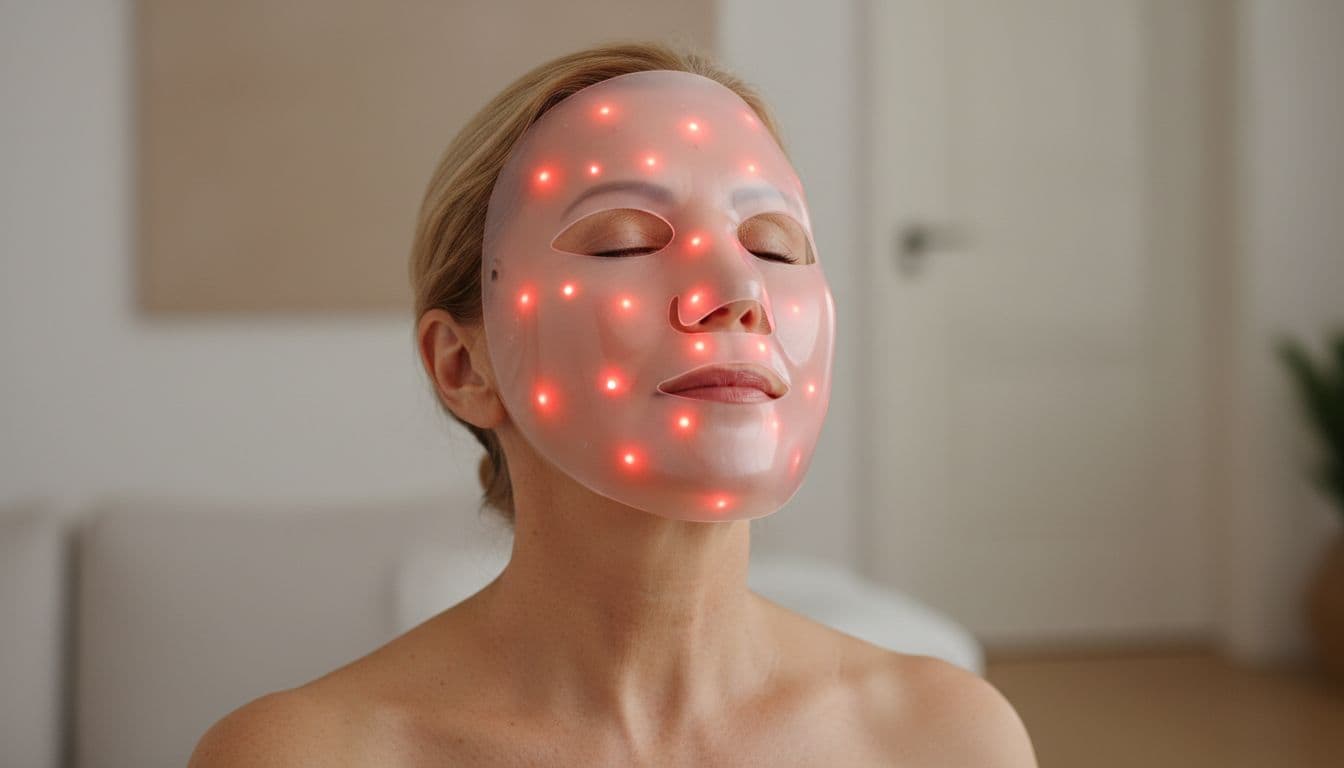
Strong 2026 examples include Omnilux Contour Face and Neck, TheraFace Mask Glo, and Shark CryoGlow. These are a strong fit if your concerns include dullness, uneven tone, or lines on the neck and chest. They also suit people who don’t want to massage a device across the skin every day.
There are trade-offs. LED masks need patience, and a poor fit can reduce comfort or coverage. Still, for many people over 50, this is the easiest tool to keep using because treatment feels almost passive. If you take photosensitizing medication or have a light-triggered condition, ask your dermatologist first.
If slackness is your biggest complaint, radiofrequency may be the better match. RF warms deeper layers of skin, which can support a firmer feel over time. In 2026, many higher-end devices combine RF with microcurrent or LED, so one tool tackles several concerns in the same session.
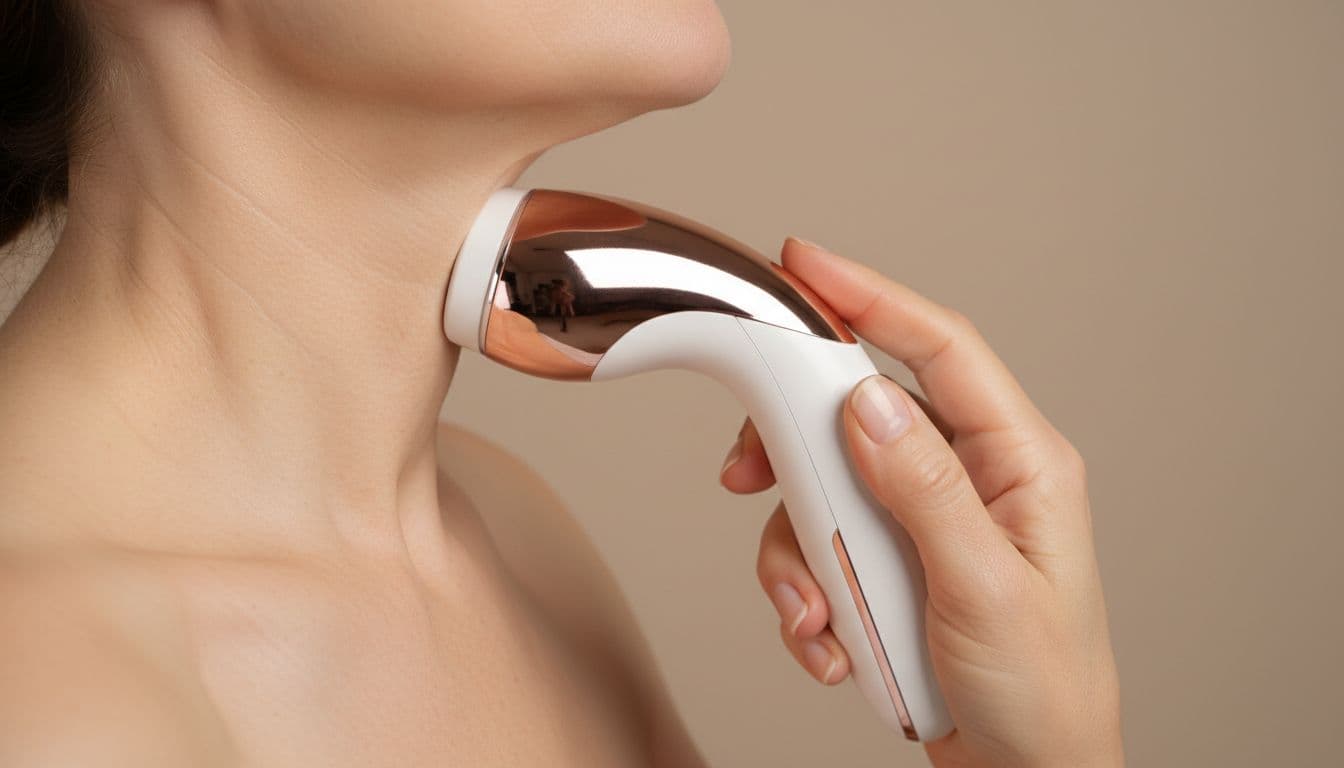
Medicube AGE-R Booster Pro stands out in the mid-to-high range, while LYMA Pro sits at the luxury end. These tools can be helpful on the lower face and neck, where mature skin often loses bounce first. However, they cost more, and the heat may not suit rosacea-prone or easily flushed skin.
Features matter because they shape whether a device ends up in a drawer. Look for easy charging, clear treatment timing, adjustable intensity, and good neck coverage. Flexible masks are more common now, and many newer tools also skip the app requirement, which is a win if you want less fuss.
Consistency beats intensity. One tool used three times a week usually does more than three tools used once.
Start on clean skin. Use conductive gel with microcurrent, and follow the brand’s timing for LED or RF. Also, don’t stack harsh exfoliation, strong heat, and long sessions all at once. If your skin stings, stays red, or feels tight for hours, back off.
When mature skin is thin, dry, or post-procedure, gentle use matters more than power. Patch-test if you’re sensitive, and check with a dermatologist if you have melasma, rosacea, recent in-office treatments, or prescription actives in your routine.
The best tool isn’t always the fanciest one. It’s the one that fits your skin, your budget, and the nights when you’re tired but still want to care for your face.
Pick one goal first, lift, tone, or deeper firming, then give that tool eight to twelve weeks. That’s when real results are easier to judge, and that’s how good habits turn into visible change.









Leave a comment