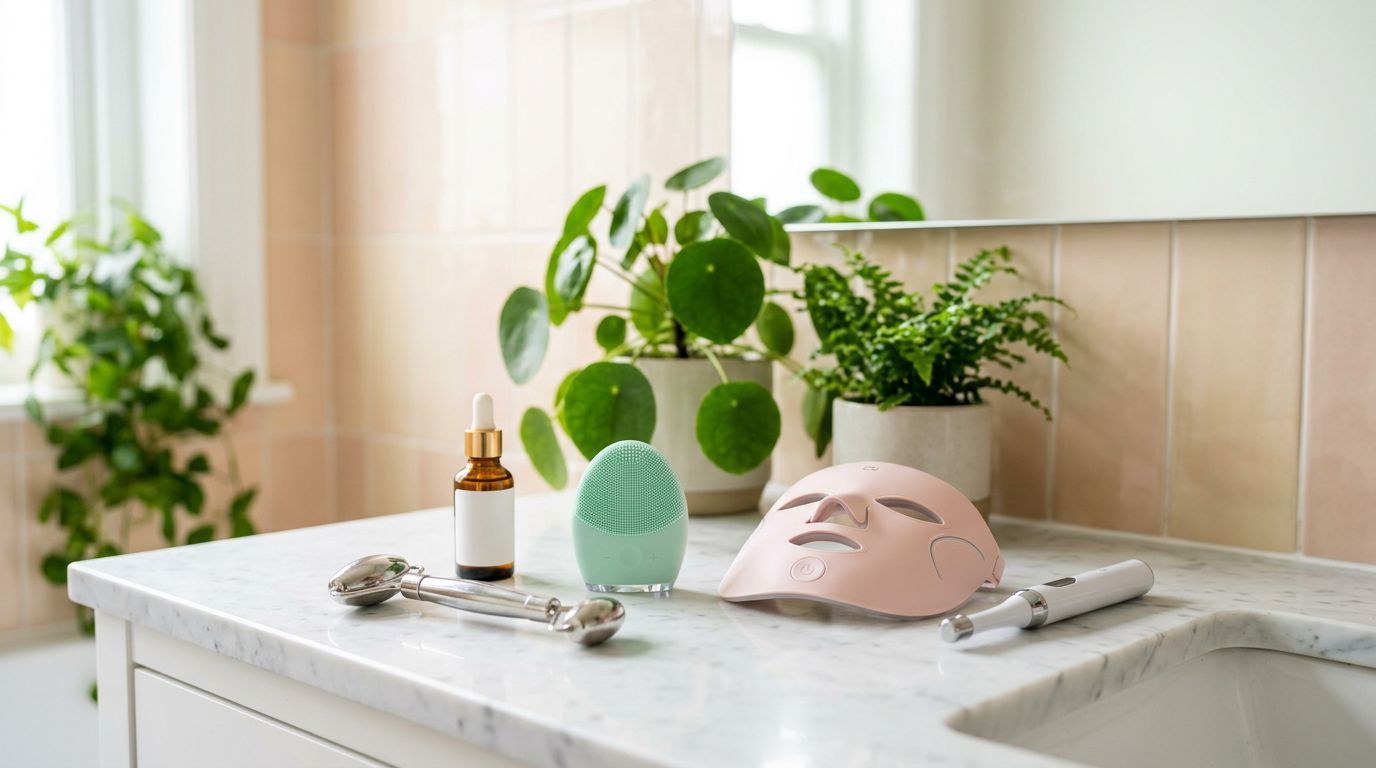
Buying skin care tools can feel like walking into a gadget aisle with no map. In 2026, the smartest move is still simple: start with at-home facial tools that are easy to clean, hard to misuse, and useful more than once a week.
For most beginners, one manual tool and one device is plenty. A roller, a soft cleansing brush, an LED mask, or a basic microcurrent wand can support a better routine. You don’t need a drawer full of gadgets, and you definitely don’t need anything that punctures, scrapes, or bruises skin.
The goal isn’t to copy a spa menu. It’s to build a routine you can repeat without second-guessing every step.
A good starter tool does one job well. It should have clear directions, a short session time, and a price that feels fair. It should also be gentle enough for skin that hasn’t seen many devices before.
Hygiene matters just as much as features. If a tool is hard to wash, skip it. Bacteria loves leftover serum, warm surfaces, and tiny cracks. Money matters, too. A $25 tool you use four times a week beats a $300 device that stays in its box.
If a tool needs a long tutorial and brave nerves, it’s probably not a true beginner tool.
That rule knocks out most pore vacuums, home microneedling pens, and strong exfoliating blades. Beginner tools should help cleansing, reduce puffiness, or add low-effort light or massage. Think toothbrush, not power tool.
If you want a realistic shortlist, start here.
| Tool | Best for | Ease | Value for beginners |
|---|---|---|---|
| Soft silicone cleansing brush | Gentle prep and deeper cleansing | Very easy | High |
| Jade or stainless steel roller | Morning puffiness and massage | Very easy | High |
| LED face mask | Acne support or overall glow | Easy | Medium to high |
| Microcurrent wand | Mild toning and contour support | Easy with practice | Medium |
The simple path is this: start cheap and low-risk, then add a device only when you have a clear goal.
A jade or stainless steel roller is the most beginner-friendly option. It won’t sculpt your face overnight, but it can cool the skin, ease morning puffiness, and help serum spread better. That’s why manual tools still show up in Allure’s face massager guide so often.
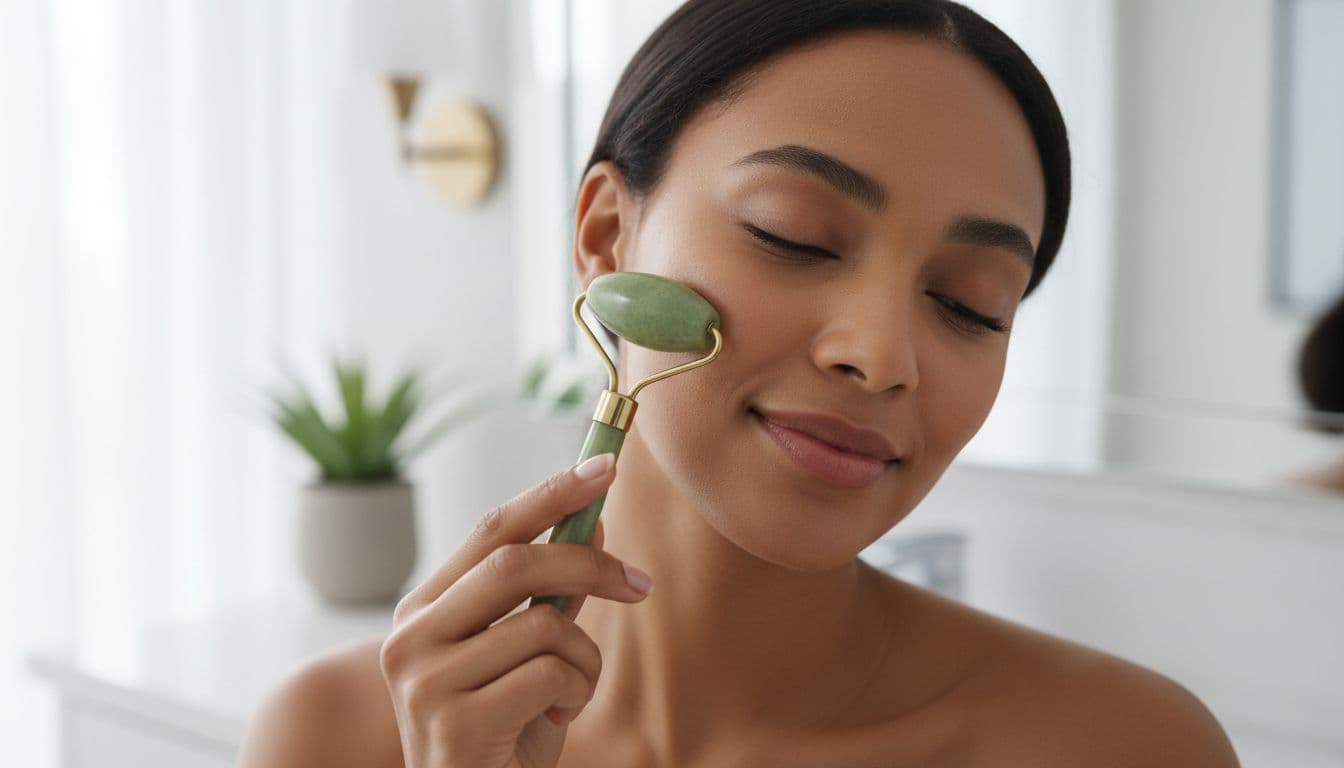
Use it on clean skin with a little slip, then wash it after every use. Stainless steel is usually easier to sanitize than porous stone, so it’s often the smarter buy.
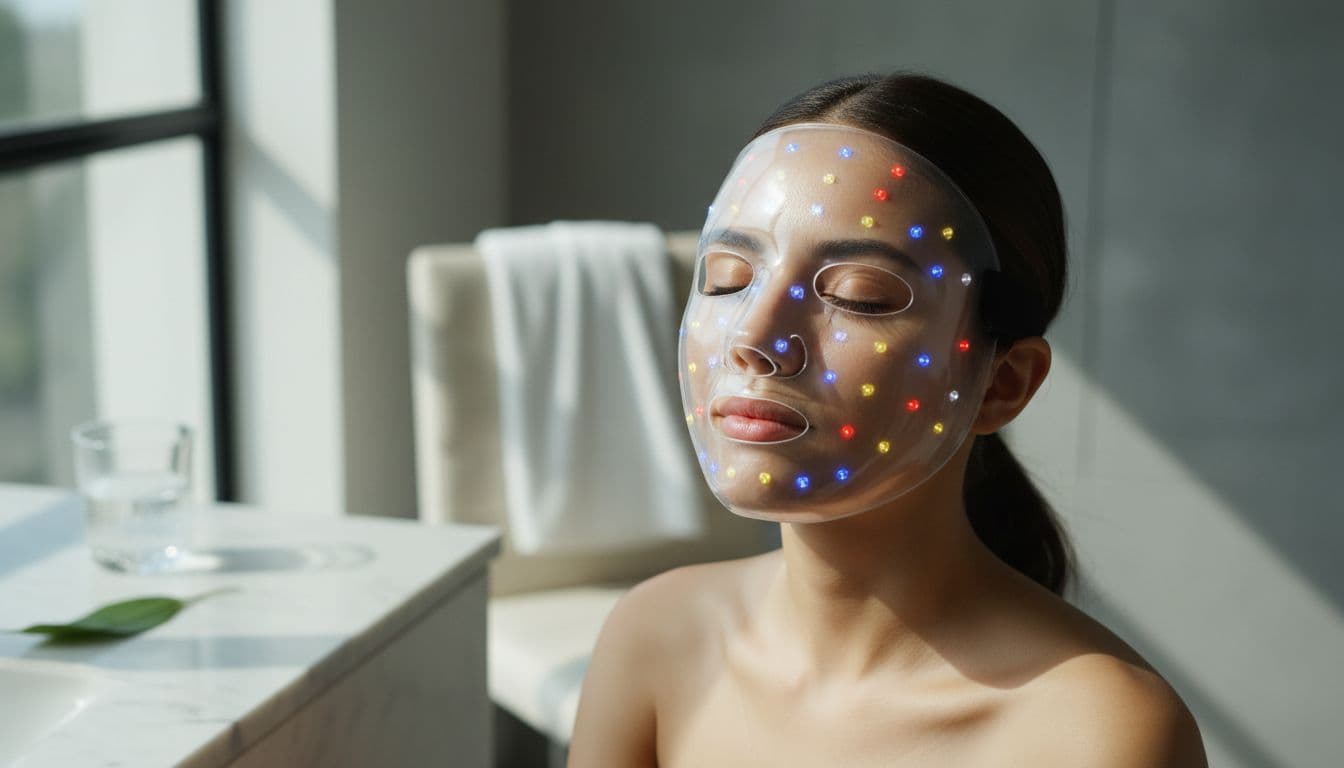
For many people, LED is the first device that feels practical. You wear it, sit still for about 10 minutes, and go on with your day. Red light is commonly used to support firmer-looking skin over time. Blue light is often aimed at acne-prone skin.
Products like Omnilux Contour Face, Dr. Dennis Gross LED Mask, and TheraFace Mask Glo stand out in 2026 because they’re hands-free and simple. Use them on clean, dry skin, and follow the schedule in the manual, often 3 to 5 times per week.
If you take light-sensitive medication or get melasma flares easily, check with a clinician first. Good tools help with consistency, not miracles.
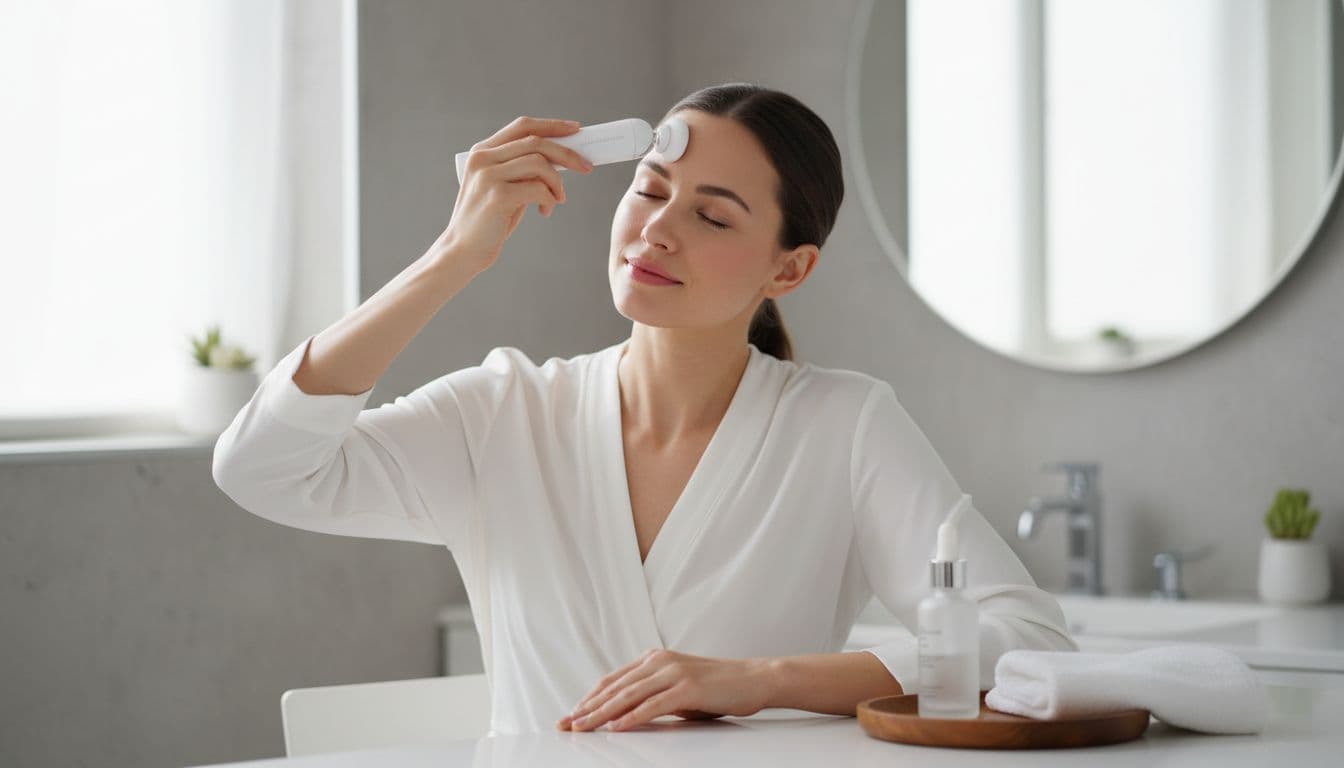
Microcurrent can be a smart second purchase if mild toning is your main goal. The key word is mild. A wand won’t replace in-office work, but steady use may give a temporary lifted look and a more defined feel.
The NuFACE Mini+ keeps things focused, while the Solawave 4-in-1 Wand adds warmth, light, and massage in one slim tool. If you want a broader view of what performs well now, see CNET’s tested microcurrent devices. Use conductive gel when the brand requires it, move slowly, and never glide on dry skin.
Skip microcurrent if you have a pacemaker or another implanted electronic device, unless a clinician says it’s okay.
Some tools look exciting because they promise fast results. That’s usually the trap. Pore vacuums can leave bruising. Facial steamers can make redness worse if you already run warm. Home microneedling pens ask for more skill, more cleaning, and more risk than most beginners expect.
Dermaplaning tools sit in the middle. They can work, and Byrdie’s dermaplaning tool roundup shows there are solid options in 2026. Still, shaving peach fuzz and exfoliating the surface is not the best first project if your routine is still new. Start with tools that calm the skin, not tools that challenge it. If a tool leaves your skin red for hours, it’s not beginner-friendly.
Once you have your tool, keep the facial short. Ten to fifteen minutes is enough, and you’ll stick with it.
Give a new tool four to six weeks before you judge it. A beginner facial should feel calm, not like assembling furniture.
The best beginner setup in 2026 is refreshingly small. Start with one safe tool, use it consistently, and pay attention to how your skin responds. When a device makes your routine easier, it earns its spot. If it adds stress, skip it.









Leave a comment