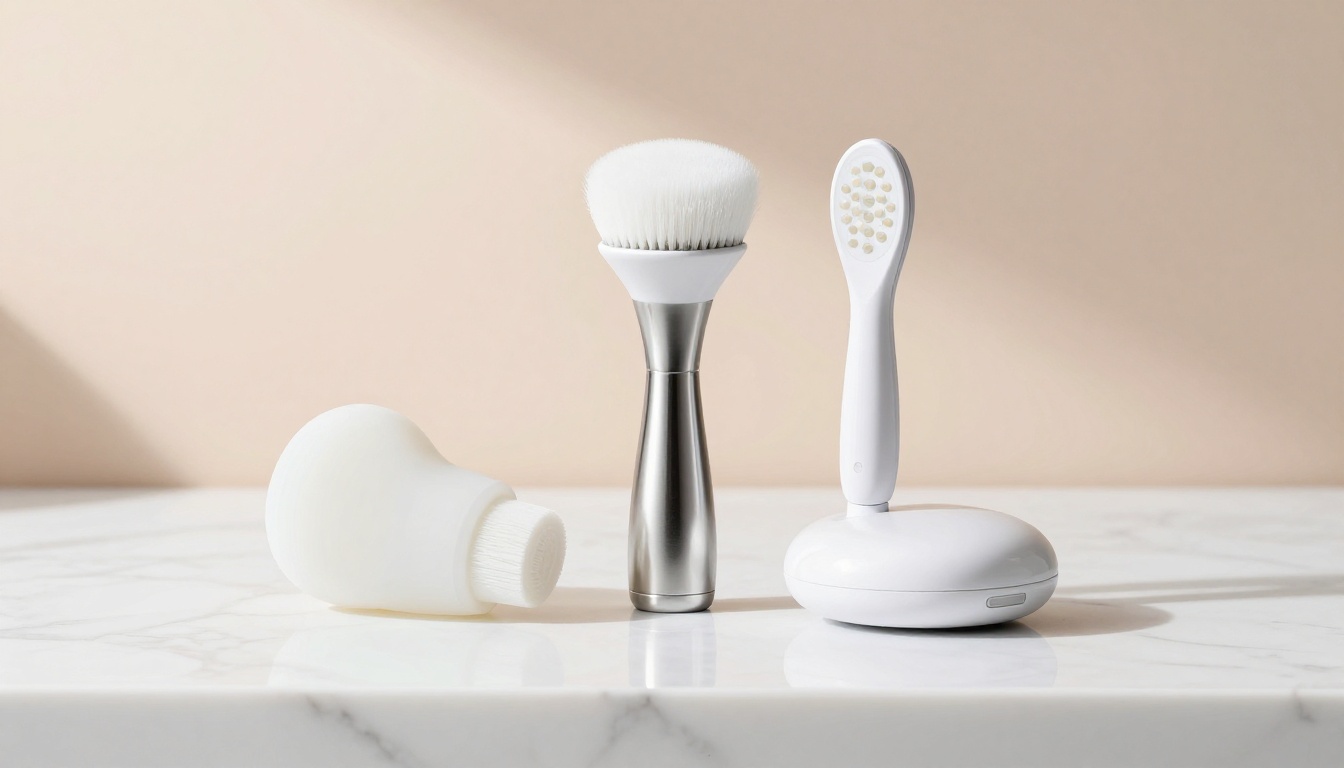
If you have breakouts, the wrong tool can feel like rubbing sandpaper on a sunburn. The good news is that acne-prone skin doesn’t need a drawer full of gadgets. It needs a few gentle, easy-to-clean tools that won’t trap grime or stir up more redness.
In 2026, the best acne skin care tools are less about hype and more about smart design. Think non-porous silicone, guided LED devices, and spot tools that don’t push or pick. Here’s what deserves your money, what to skip, and when it’s time to call a dermatologist.
Start with the surface. Non-porous materials, such as silicone and stainless steel, are easier to sanitize than fluffy brush heads or rough sponges. That’s a big deal when oil, sweat, makeup, and bacteria are already part of the picture.
Next, look at how the tool touches skin. Acne-prone faces usually do better with light pressure and short contact. A tool should help cleansing or treatment feel more precise, not more aggressive. If it relies on friction, scraping, or strong suction, that’s a red flag.
Ease of cleaning matters just as much as performance. Many 2026 roundups now focus on devices with sealed surfaces, timers, and simple heads because people actually use them consistently. A broader 2026 device roundup points to the same pattern, gentle tech usually outlasts trendy extraction gadgets.
If a tool is annoying to clean, it probably isn’t a good match for active breakouts.
Also, think about your current routine. If you’re using retinoids, benzoyl peroxide, or prescription acne care, your skin barrier may already be stressed. In that case, even a well-made tool needs a slower start. Once or twice a week is often enough at first.
These are the categories most worth shopping this year.
| Tool type | Best use | Good 2026 options | Main caution |
|---|---|---|---|
| Soft silicone cleansing brush | Removing oil, sunscreen, and makeup | Gentle silicone facial brush | Keep pressure very light |
| LED light device | Mild to moderate inflammatory breakouts | Omnilux Clear, TheraFace Mask Glo, LUSTRE ClearSkin Solo | Needs steady use for weeks |
| Microcurrent spot device | Occasional inflamed blemishes | ZIIP Dot Acne Device | Can be too much for very sensitive skin |
| Microfiber cloth or silicone pad | Low-friction cleansing or mask removal | Soft reusable cloths, scrubber pads | Replace or wash often |
The short version is simple, go gentle first, then add tech only if your skin can handle it.
A soft silicone cleansing brush is still one of the safest buys for beginners. It doesn’t replace cleanser, but it can help lift sunscreen, oil, and leftover makeup without the scratch of nylon bristles. Use it with a mild gel cleanser, a light hand, and short sessions.
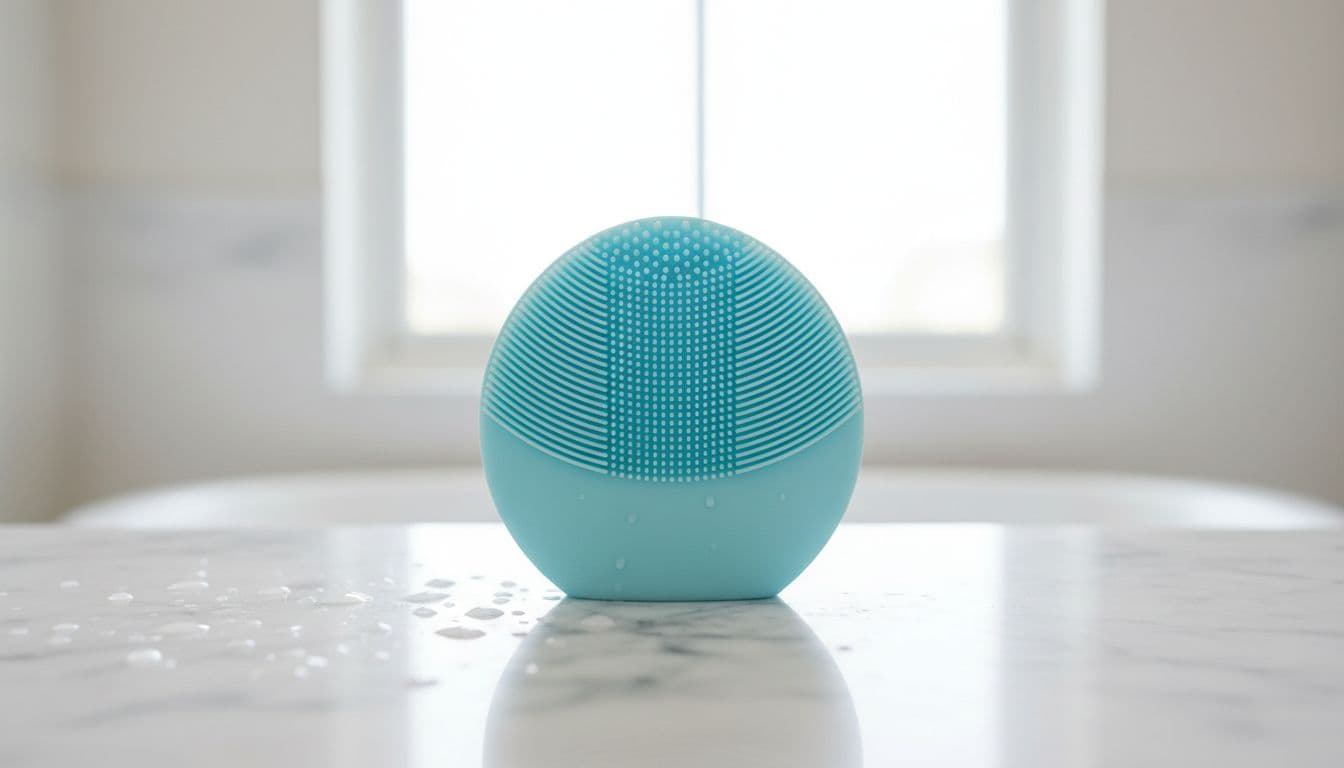
If your skin flares easily, plain hands may still work best. In that case, a clean microfiber cloth or silicone pad can help remove residue on wash days without turning cleansing into exfoliation. For a wider look at what’s showing up in shopping guides this year, see these expert-recommended beauty devices.
Skip spinning bristle brushes. They can feel satisfying at first, yet acne-prone skin often pays for that extra scrub later.
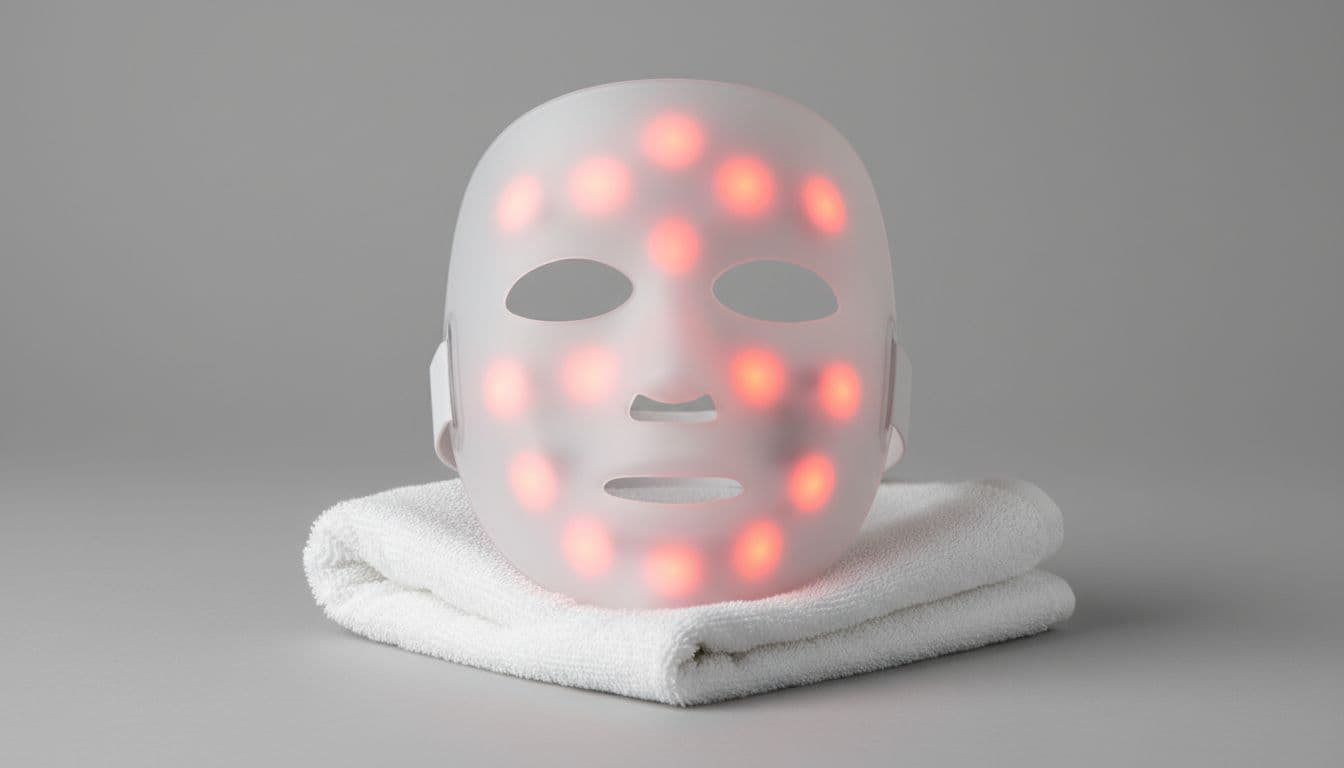
LED devices keep getting attention in 2026 because they don’t rely on rubbing or squeezing. Blue light is commonly used for breakout-prone areas, while red light is often chosen to calm the look of redness. Masks and handheld devices now come with shorter guided sessions, which makes them easier to stick with.
Omnilux Clear, TheraFace Mask Glo, and LUSTRE ClearSkin Solo are among the most talked-about options this year. They suit shoppers who want a hands-free routine and can stay consistent. Think of LED as a slow cooker, not a microwave. It usually rewards regular use, not impatience.
Some newer acne skin care tools target single blemishes rather than the whole face. The ZIIP Dot Acne Device is a good example of the 2026 shift toward quick, guided spot care. These devices appeal to people who want something more precise than an all-over mask.
Still, precision doesn’t mean risk-free. High-frequency wands and microcurrent tools can be too stimulating if your skin is peeling, tight, or already inflamed. If you tend to overdo treatments, skip them. A tool should help you touch your face less, not give you another reason to hover over the mirror.
The tools most likely to backfire are also the flashiest ones. Strong pore vacuums, sharp metal extractors, and rough scrubbers can leave skin more swollen, broken, and congested. At-home microneedling is another poor match for active acne because irritated or broken skin doesn’t need more trauma.
Cleaning rules are boring, but breakouts don’t care. Wash reusable cloths after every use. Wipe non-porous devices with the method the brand recommends. Let tools dry fully before storing them. If a head, pad, or cap looks cloudy, sticky, or impossible to sanitize, replace it.
A solid routine matters more than the gadget. Pair tools with a gentle cleanser, a non-comedogenic moisturizer, and sunscreen. If you want a refresher on routine basics, this 2026 acne treatment guide offers a helpful overview.
See a dermatologist if you have deep, painful cysts, acne that scars, or breakouts that don’t improve after a consistent routine. The same goes if prescription products make your skin sting or peel badly. At-home tools can support a routine, but they can’t diagnose hormonal acne, rosacea, or other look-alike conditions.
If you have acne-prone skin, buy fewer tools and choose better ones. The safest bets in 2026 are soft silicone cleansers, easy-to-clean microfiber helpers, and well-designed LED devices used with patience. Gentle, clean, and consistent will beat aggressive gadgets almost every time.









Leave a comment