If your face looks a little “tired” even after good sleep, and you’re seeking anti-aging solutions for a refreshed look, you’re not alone. Gravity, stress, and time all add up, and makeup can only do so much.
That’s why microcurrent face devices keep showing up in 2026 skincare routines. Used consistently, they help address sagging skin and fine lines and wrinkles for a subtly lifted, more toned look, especially along the jawline, cheeks, and brows. Think of it like a workout reminder for facial muscles, not a one-time magic trick.
This guide breaks down what microcurrent can (and can’t) do, how to use it properly, and which devices are worth your money this year.

Microcurrent devices deliver low-level electrical currents through the skin (with gel as a conductor) to stimulate facial muscles and improve muscle tone. In professional settings, estheticians use similar tech for facial toning. At home, the payoff is usually more about temporary lift and definition than permanent change.
Right after a session, many people notice a “snatched” look from improved blood circulation and lymphatic drainage techniques, like you just did a quick lymphatic massage. Over weeks, the goal is better facial toning and firmer-looking facial contours. Still, maintenance matters. Stop using it and the effect tends to fade, because muscles and tissues don’t keep “training” on their own.
The best expectation to set is this: microcurrent is like posture. You can stand taller today, and you can build better habits over time, but you have to keep showing up.
For a snapshot of what beauty pros are recommending this year, see expert roundups like W Magazine’s microcurrent device picks.
Microcurrent is about consistency, not intensity. More pressure doesn’t mean better results, it often means more irritation.

Pricing and bundles change fast, especially around spring sales. The prices below reflect typical US list pricing seen in early 2026 coverage and retailer listings for these FDA-cleared devices.
| Device | Typical price (US, 2026) | Best for | Pros | Cons |
|---|---|---|---|---|
| Neurotris Pico Toner II | ~$595 | Maximum lift focus | Strong reputation for visible toning with nanocurrent technology, often compared to pro-style routines | Expensive, learning curve, time commitment |
| NuFACE Trinity+ Starter Kit | ~$395 | Classic full-face routine | Widely used, easy glide technique, good for cheeks and jaw | Needs gel, results fade if you stop |
| NuFACE FIX MicroWand | ~$195 | Eyes and lip lines | Small head for targeted areas, quick sessions | Not ideal as your only device |
| Therabody TheraFace PRO | ~$420 | “One tool” face care | Multiple attachments (microcurrent plus massage and LED light therapy), flexible routine | Bulkier, pricier than single-purpose tools |
| FOREO BEAR | Varies by model/retailer | Fast daily sessions | App-guided feel, beginner-friendly shape | Price swings, some prefer a larger treatment head |
If you’ll only use microcurrent when it’s fast, pick a device with adjustable intensity levels that fits into a 5-minute morning. That’s why smaller, simpler tools often beat “better” tools that sit in a drawer.
On the other hand, if you already love at-home facial devices and you’ll commit to consistent use in a structured routine, it makes sense to pay for higher-end options. In 2026 roundups, the Pico Toner II is still framed as a top-tier choice, while NuFACE remains the mainstream “easy to start” option. For more comparisons from testers, check Women’s Health microcurrent device recommendations.
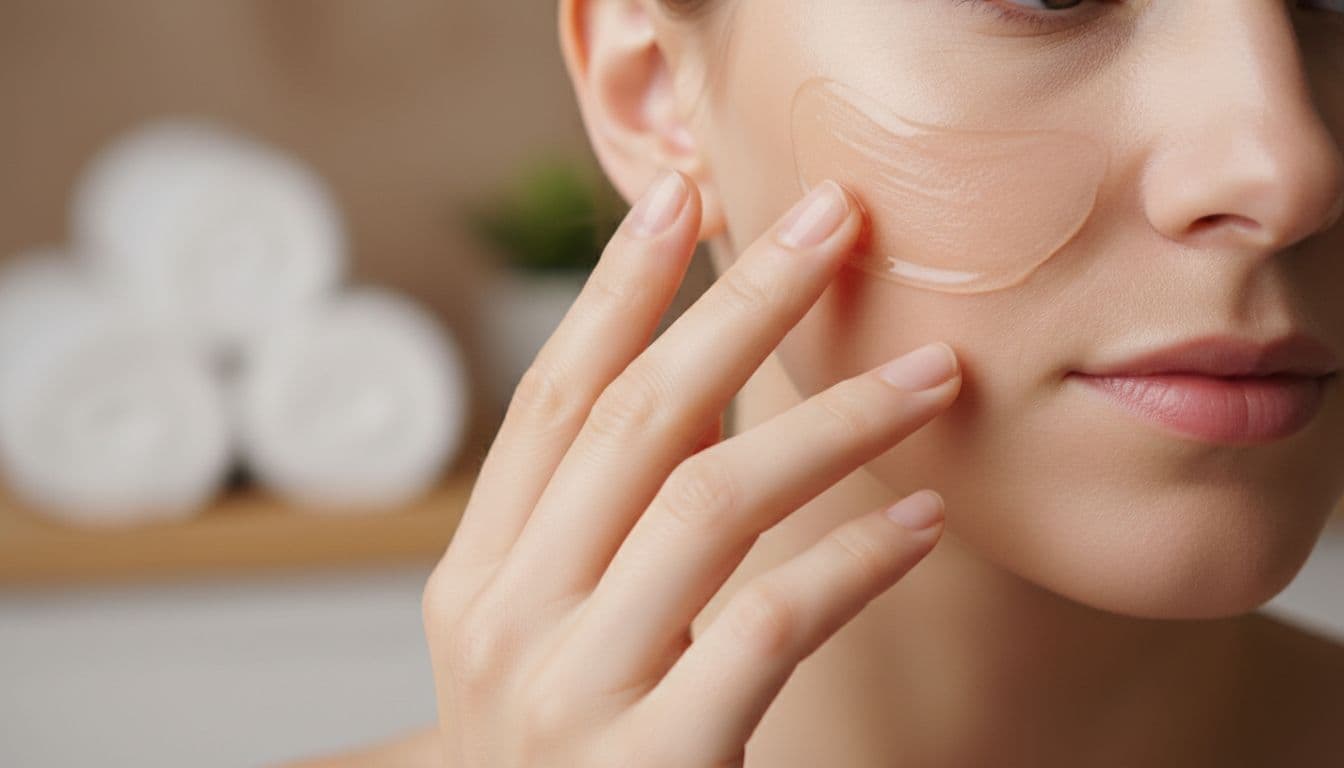
Most disappointing results come from one issue: not enough slip. Electrical currents require a conductive medium to reach facial muscles evenly, so conductive gel isn’t optional for most microcurrent face devices. Many conductive gel formulas now include hyaluronic acid for added hydration. If the device “zaps,” skips, or feels prickly, you usually need more gel, less pressure, or both.
Here’s a simple routine for an effective at-home facial that works for most devices (always follow your device manual first):
Two quick “don’ts” that save your face:
For another perspective on how different tools perform in real testing, see Cosmopolitan’s reviewed microcurrent devices list.
If your gel dries mid-session, stop and reapply. Microcurrent needs a smooth “road,” not speed bumps.
Microcurrent, a non-invasive alternative to some professional treatments, is generally considered low-risk for many users, but it’s not for everyone. It uses gentle electrical currents to stimulate facial muscles. Skip at-home microcurrent and ask a clinician first if you have a pacemaker or implanted electronic device, a history of seizures, or you’re pregnant (many brands list pregnancy as a precaution). Also pause if you have open cuts or broken skin, an active skin infection, or a flare that makes your skin sting with water.
Be careful around the front of the neck and thyroid area as electrical currents should not be used there unless your device instructions explicitly allow it. If you’ve had injectables, threads, or other surgical procedures, follow your provider’s guidance on timing before using any electrical facial tool.
Microcurrent devices can also trigger irritation when paired with strong actives. If you’re using prescription retinoids or your barrier feels compromised, keep your routine simple and restart slowly.
The best microcurrent face devices in 2026 aren’t just the most expensive ones, they’re the ones you’ll use consistently to unlock cumulative benefits like de-puffing after each session. Pair them with the right gel and gentle technique, and consider red light therapy as a great companion for addressing fine lines and wrinkles. Choose a device that matches your schedule, then commit for 6 to 8 weeks before judging results, since long-term habits support collagen production and skin elasticity for a more youthful look. If you’re unsure about safety, get medical advice first, and treat microcurrent as maintenance, not a promise. Your future jawline will thank your calendar, not your impulse buy.









Leave a comment